materials
wood
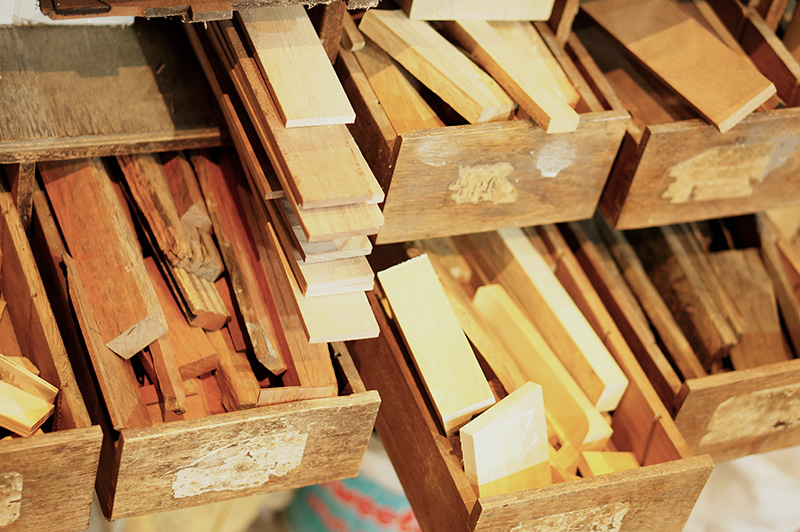
I have all different kinds of wood in stock that I like to use. Most of the wood has come from projects over the years and I have sourced it sustainably. For instance the red heartwood that I use started life as a railway sleeper then ended up being used as part of a trailor at a local farm, when I saw it I asked the farmer if I could have it and he gave it to me as long as I made a jewelry box for his wife for christmas. Some of the timber I have harvested myself from recently wind blown oak or in the case of the bog oak I rescued it from the land when some drainage works were being conducted. I have Ash, Oak, Larch, walnut, Red heartwood, Bog oak, elm, beech and many more offcuts and veneers.
When building a box I choose a wood that suits either the box or the customer. Choosing the right material for the job is a part of the creative process
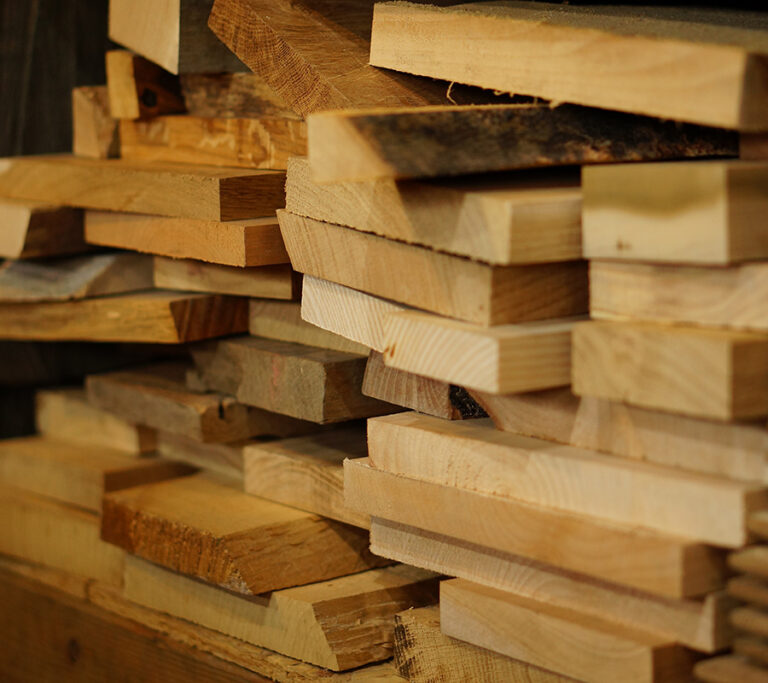
Bog oak
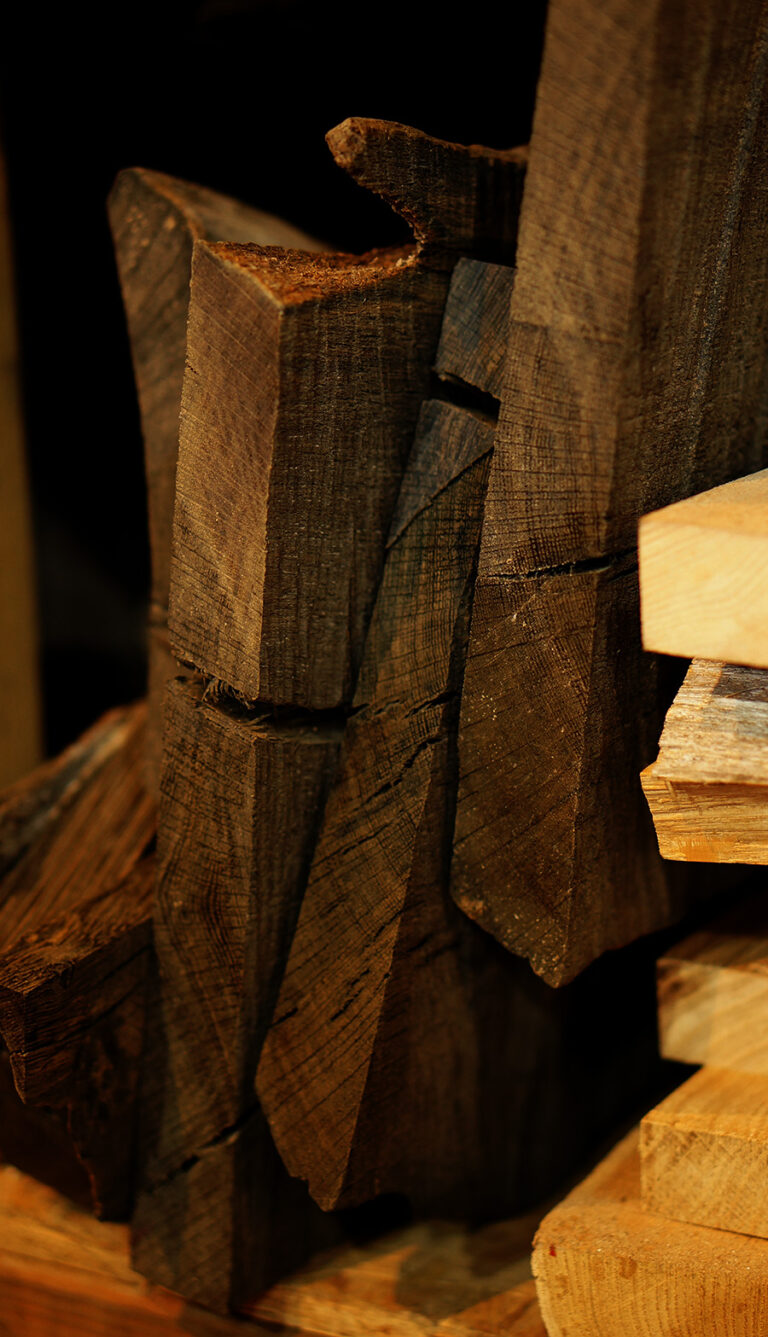
Bog-wood, also known as abonos and morta, is a material from trees that have been buried in peat bogs and preserved from decay by the acidic and anerobic bog conditions, sometimes for hundreds or even thousands of years. The wood is usually stained brown by tanins dissolved in the acidic water. Bog-wood represents the early stages in the fossilisation of wood, with further stages ultimately forming jet, lignite and coal over a period of many millions of years. Bog-wood may come from any tree species naturally growing near or in bogs, including oak (Quercus – “bog oak”). Sites of high quality bog-wood in the world are very rare. In the sites expected to yield it, morta is hard to find, and access to the river bank and its bed is often difficult.
Bog-oak is characterized by natural staining and variations in color. Well preserved bog-wood is not
affected by weather conditions or organisms which would change its
strength and appearance.
Semi-dry bog-wood is sometimes of a golden or copper color, or with a tint of some other hue, and is exceptionally hard. Older wood
can be completely black, yet possess the rich variations in hue
characteristic of “live” wood.
I was lucky enough to come across a section of bog oak when helping a farmer work on some drainage in a particularly wet section of field. Its taken years to dry and process properly and although not an entire tree has left me with plenty of material to make boxes with. Although I dont know the exact age looking at the size of the tree section the tree would have been 3-400 years old when it went into the bog and it takes at least 100 years to transform.
Brass
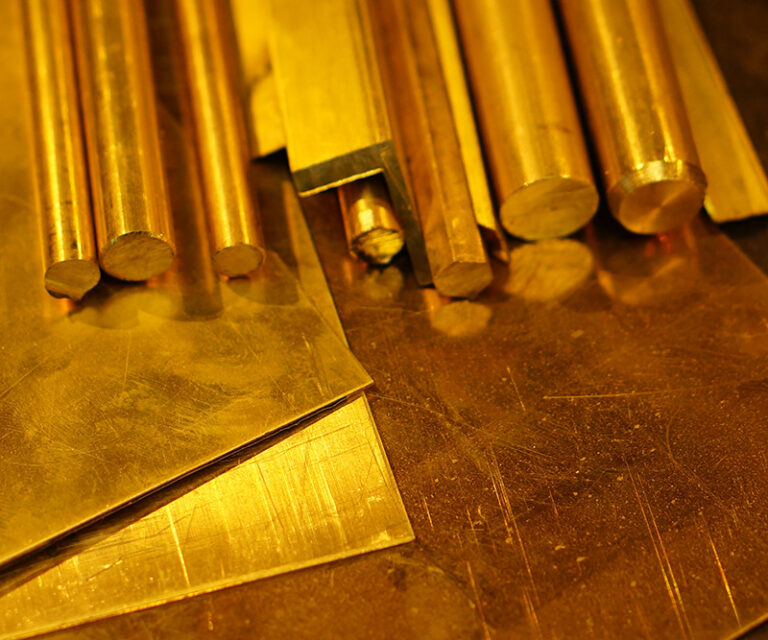
Although I mainly work in wood I have a love for the look of brass against a fine piece of timber. Some of the mechanisms for the boxes are quite complex and require delicate manufacture in a material that can perform as required. I turn and mill all the brass elements from stock material and it is a joy to work with.
surface finishes
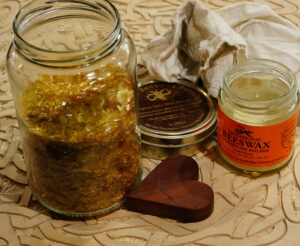
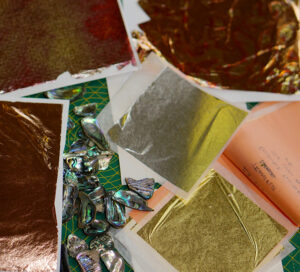
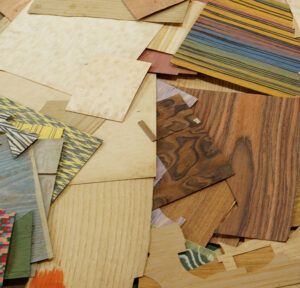
I like to finsh my work in a traditional way and although this might take a little more time than some modern finishes it does give a brilliant result. I can veneer or inlay veneers to a specified patern for decoration and I have traditional as well as some funky modern composites. I use gold leaf guilding for some details and interiors as well as copper or paladium leaf for a different effect. I have other materials for inlay such as Pāua shell and green stone from some friends in Newzealand. For the final finish I like to use shellac, beeswax and beeswax polish. I can get an incredible shine with the shellac but useually prefer to use it for the first few coats and then finish with a besswax polish. this give the work a lustre which brings out the quality of the wood.